


Summary of this article:Explore offshore manufacturing's meaning, benefits,manufacturing's meaning, benefits, challenges, and real-world examples that illustrate why it remains one of the most powerful tools in global commerce.
Offshore Manufacturing
Global companies can benefit from offshore manufacturing through cost control, speed to market, and efficiency. As companies seek to reduce costs and gain access to specialized expertise, offshore production has become increasingly popular.
But what does “offshore manufacturing” really mean? How does it differ from outsourcing? And most importantly, is overseas manufacturing cheaper?
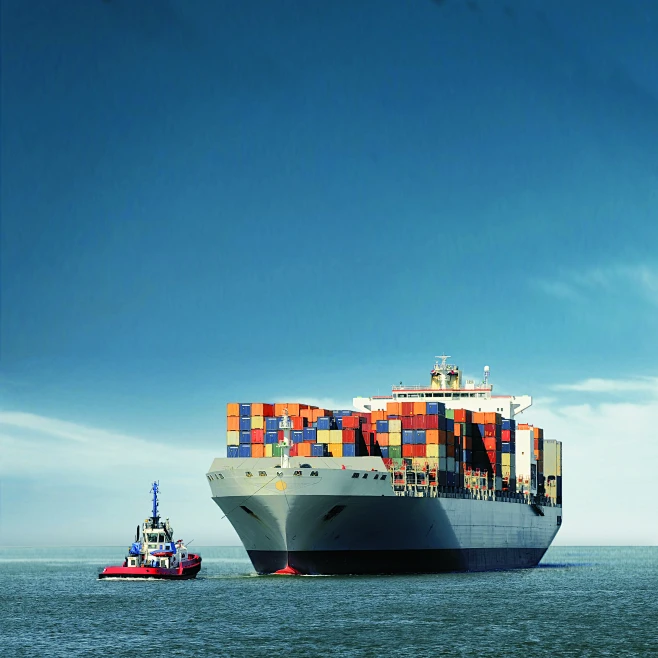
Offshore manufacturing means
Manufacturing offshore involves producing goods in a foreign country, typically where labor, materials, and operational costs are lower than in a company's home country.
In simple terms, a business based in the U.S. might establish a factory in China, Vietnam, or Mexico to manufacture products more cost-effectively. The finished goods are then shipped back for domestic sale or exported to other global markets.
This strategy is not novel—but it’s become increasingly sophisticated thanks to technology, logistic advancements, and international trade agreements.
Offshore manufacturing is part of offshore production. Production. This includes manufacturing but also services such as customer support, software development, and engineering.
What Are Off-shoring Productions?
When we talk about offshoring production, we’re referring to relocating business operations — like assembly, fabrication, or product assembly lines — to another country.
Offshoring production is about:
● Reduce production costs
● Access skilled or low-cost labor
● Improve operational efficiency
● Be closer to raw materials or target markets
Many companies have adopted this model to stay competitive in industries like electronic, apparel, and automotive manufacturing.
For example,
● Apple designs its products in California but manufactures iPhones through offshore partners like Foxconn in China.
● Nike produces its footwear through offshore manufacturing companies in Vietnam, Indonesia, and Thailand.
● To reduce labor costs and improve distribution, Dell assembles its products offshore.
Offshore manufacturing enables brands to balance cost efficiency with quality control and innovation.
What is an offshore supplier?
Generally, offshore suppliers are companies. Offshore suppliers are companies located in another country that provide goods, materials, or components for manufacturing or resale.
Wood and fabric are often sourced from offshore suppliers, while metal fittings come from Vietnam.
By partnering, businesses can access a wide range of materials, reduce raw material costs, and streamline supply chains.
Key functions of offshore suppliers Include:
● Manufacturing finished goods or components
● Services in logistics and export
● Adhering to international and local laws and regulations
We offer private labeling and OEM (Original Equipment Manufacturer) customizations
There is a high reliance on offshore suppliers in a global manufacturing network.
Is it cheaper to manufacture overseas?
One of the most common questions business owners ask is: “Is it cheaper to manufacture overseas?”
In most cases, yes, it is.
Here’s why.
1. Lower Labor Costs – Countries like China, Vietnam, and Mexico offer significantly lower wages than Western economies.
2. Lower Overhead - Production is often more affordable due to cheaper rent, utilities, and infrastructure.
3. Cost reduction - Offshore factories produce mass quantities, reducing costs per unit.
4. Low Logistics and Material Sourcing Costs - Offshore regions often have dense industrial clusters, reducing logistical and material sourcing costs.
However, there are hidden costs to consider — such as tariffs, international shipping, quality control, and communication barriers.
The bottom line is:
Managing offshore manufacturing strategically can dramatically reduce costs. Those companies that balance savings with quality oversight and supplier transparency often gain a competitive advantage.
Offshore manufacturing companies
The production of many global brands is outsourced to specialized offshore manufacturers. This type of company assembles and packages finished goods.
Popular offshore manufacturing locations:
● China – The global leader in electronics, textiles, and machinery.
● Vietnam – Known for footwear, apparel, and consumer goods.
● India – A growing hub for pharmaceuticals and automotive components.
● Mexico – A strategic location for North American companies due to its proximity and trade agreements.
International brands benefit from robust infrastructure, skilled workers, and export-friendly regulations in these manufacturing hubs.
Examples of Offshore Manufacturing Companies:
● Foxconn (China) – Electronics manufacturing for Apple, HP, and Sony.
● Pegatron (Taiwan/China) – Consumer electronics assembly.
● Flex Ltd. (Singapore) – End-to-end supply chain and manufacturing services.
● Tata Motors (India) – Automotive production for global markets.
Assuring product quality, consistency, and compliance with global standards is a key benefit of working with established offshore companies.
Offshoring vs outsourcing
It’s easy to confuse offshoring vs outsourcing, but they are not the same.
Offshoring
Establishing business operations in another country while maintaining control.
Example: A U.S. company opens its own factory in Vietnam.
Outsourcing
Means hiring a third-party company (which could be local or foreign) to perform a task or service.
Example: A company hires a logistics provider in China to handle shipping.
When combined with offshore sourcing, companies hire third-party partners overseas to handle production, customer service, or back-office operations.
This hybrid model allows businesses to scale efficiently without owning physical assets abroad, making it a cost-effective strategy for startups and enterprises alike.
Offshore outsourcing and the job impact.
The rise of offshore outsourcing has sparked debate about local employment. Critics argue that offshore manufacturing jobs replace domestic opportunities, while supporters emphasize how it helps businesses remain competitive globally.
Here’s the balanced truth:
● Offshoring shifts jobs overseas — especially in labor-intensive industries.
● However, it also creates new roles in logistics, quality assurance, engineering, and management at home.
● Many companies reinvest offshoring savings into innovation, R&D, and marketing — and that generates new domestic employment.
As automation and AI develop, offshore manufacturing jobs will also shift toward higher-skill roles in technology, data, and production management.
Offshore manufacturing examples
To better understand the concept, let’s look at real-world offshore manufacturing examples.
● Apple: Designs in the U.S. but manufactures iPhones and MacBooks in Asia through Foxconn and Pegatron.
● Nike: Produces footwear and apparel in Vietnam and Indonesia while maintaining its headquarters in Oregon.
● Toyota: Operates offshore production facilities worldwide, including in Thailand, Mexico, and Canada.
● IKEA: Sources components from offshore suppliers in China, Poland, and India.
These examples highlight the flexibility and efficiency global manufacturing networks bring to multinational companies.
Why Do Businesses Choose Offshore Manufacturing?
Companies choose offshore production for three reasons:
1. Cost Efficiency – Reduce labor and overhead expenses.
2. Speed and Scalability – Access to specialized facilities capable of rapid production.
3. Market Expansion – Proximity to growing international markets like Asia, Europe, and Latin America.
By offshoring, businesses are able to innovate, cut costs, and remain competitive globally.
Final Thoughts
Offshore manufacturing is more than just a cost-saving strategy — it’s a pathway to global competitiveness. By leveraging offshore suppliers, strategic partnerships, and international production hubs, companies can unlock new levels of efficiency and scalability.
The key to success is to balance lower costs with quality control, supply chain visibility, and ethical sourcing.
Whether you’re exploring offshore outsourcing, comparing offshoring vs outsourcing, or identifying upcoming offshore manufacturing companies, the key is to building long-term relationships that combine innovation, transparency, and trust.
Modern global economies require smarter offshoreing, not whether to offshore.